
 Eng
Eng  Fr
Fr  Sp
Sp  Укр
Укр 


Barrels There is nothing better than a traditional oak barrel to age a drink. Dating back to antiquity the casks, barrels, or tanks, whatever they are called, were invented by the Gauls around the 3rd century BC. J.-C., in order to avoid the use of leaky and fragile containers to store edible liquids. Earlier, the […]

Barrels
There is nothing better than a traditional oak barrel to age a drink.
Dating back to antiquity the casks, barrels, or tanks, whatever they are called, were invented by the Gauls around the 3rd century BC. J.-C., in order to avoid the use of leaky and fragile containers to store edible liquids. Earlier, the Celts used palm wood, which was more difficult to process and bend, so the Gauls began to make barrels from oak. They were stronger than clay amphoras and became vessels in which drinks were transported throughout the Roman Empire. The barrel had a significant drawback: the wine in it oxidized faster and could not be stored for decades, as in amphoras.
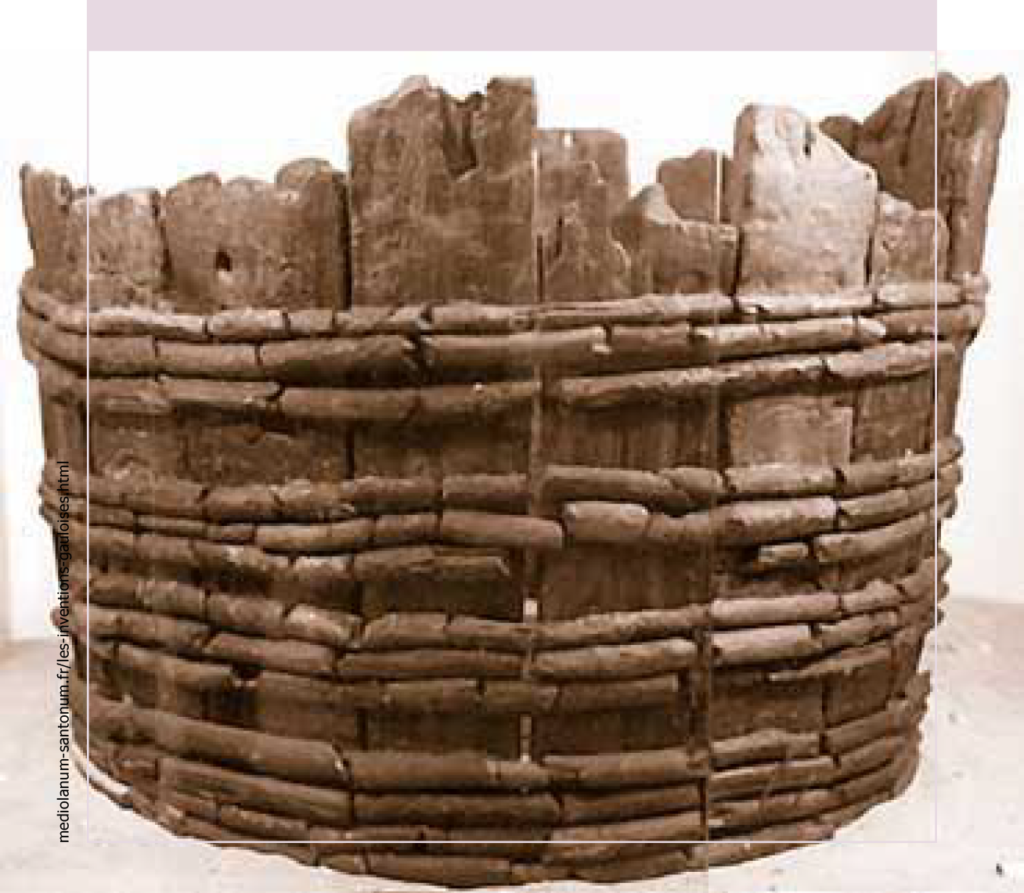
The quality characteristics of an oak barrel were first appreciated in Europe. France, northern Italy and Switzerland created a real revolution in cooperage at the beginning of the 19th century, starting to use a barrel to age wine and other alcoholic beverages precisely for the purpose of giving them a rich aroma and pleasant taste. The boom in trade in the 19th century allowed coopers to make effective use of very good oaks from Russia and Ukraine.
A worthy successor to the amphora, the wooden barrel held the de facto monopoly of winemaking for almost two millennia. Barrel-aged wines are a traditional part of the wine world. For the vast majority of consumers, it is impossible to imagine a wine cellar without oak barrels. Among all the existing containers for the fermentation or aging of wine, the barrel remains the most expensive and the most difficult to use. What are the advantages of using such a complex container? The main objective is to create wines with complex aromas and long-term aging potential.

Over time, it was noticed that this container has interesting properties regarding the aging of wine, the barrel gives the wine phenolic compounds, which, in the end, allows us to talk about a certain aromatic complexity. Tannins (non-volatile compounds) pass with difficulty from the barrel into the wine, but soften the wine and its natural tannins. This is especially noticeable in the case of very powerful wines. The barrel allows the wine to “breathe”. The wood is slightly porous, so the process of micro-oxygenation takes place, the wine changes almost magically, but also requires extra care and handling.
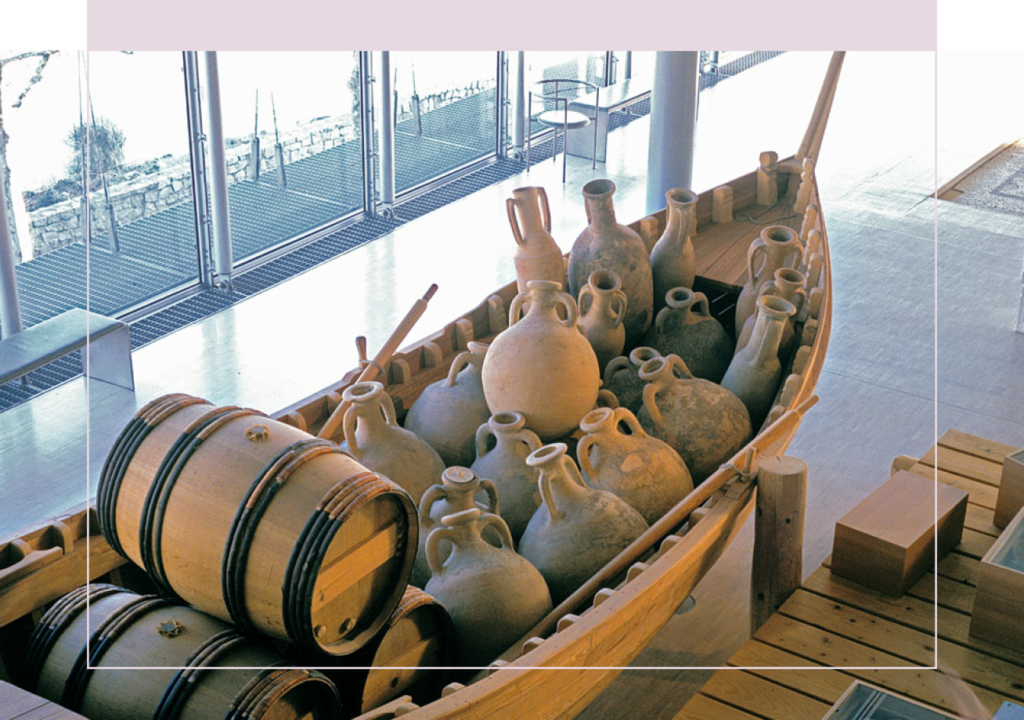
Later winemakers realized that wood tannins affected the style of wine. Therefore, the coopers offer different species of oak for the manufacture of barrels. Sometimes another type of wood, such as chestnut or acacia, can be used for the production of barrels.
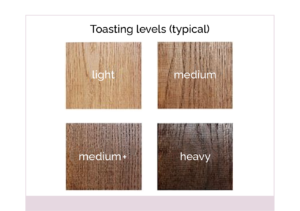
Due to the variety of terroirs combined with a toasting technique and more or less intense level of toasting of the barrel, the winemakers have a fairly wide aromatic palette. Depending on the age of the barrel, the aromatic notes will be more or less intense. It is needed to use the new barrels to obtain powerful aromatics. It is also possible to play on the intensity of these notes by blending them with wine aged in older barrels, that have aged one or more wines and therefore give much less flavor.
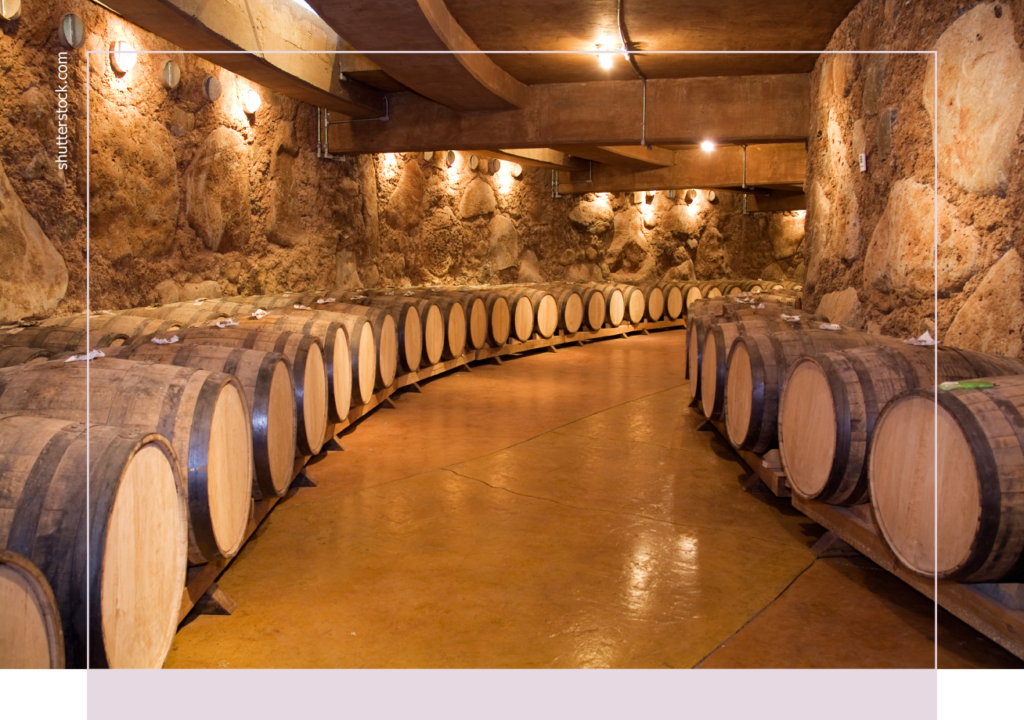
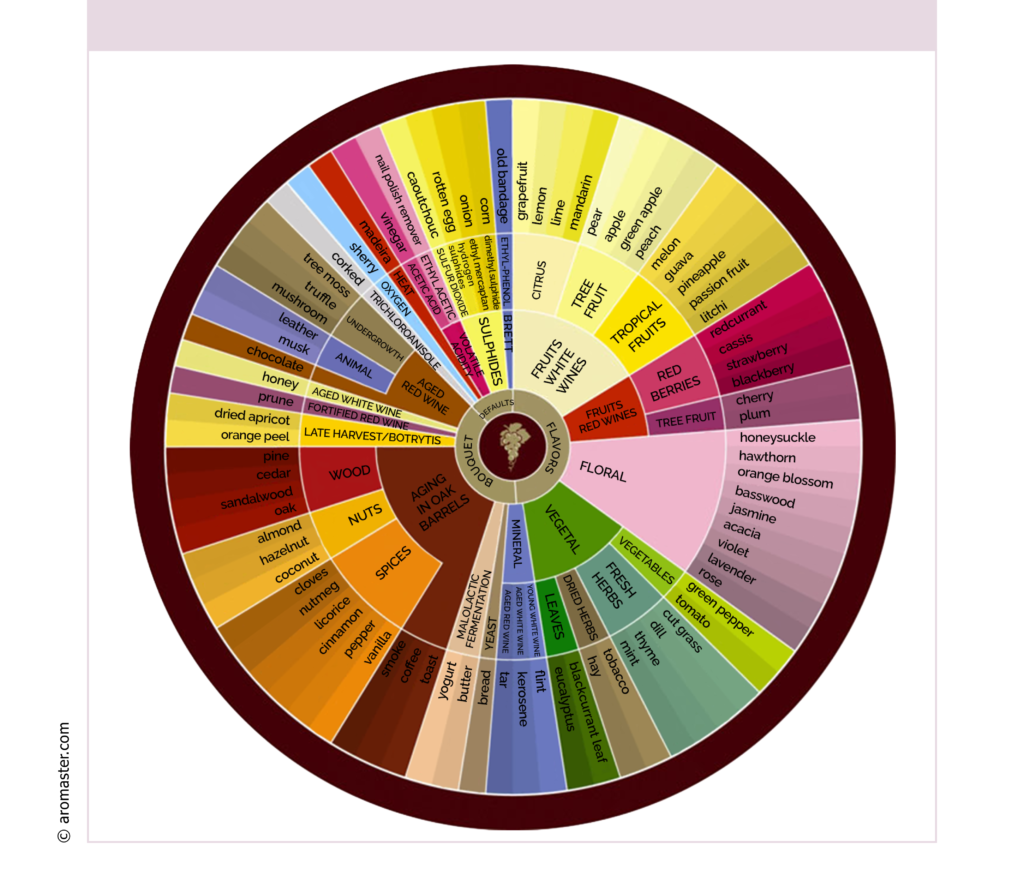
Indeed, the toasting of the inner face is an essential step in the manufacture of the barrel, because depending on its intensity, it can give the wine aromas of dried fruits, vanilla, coffee, toast, spices, nuts, smoke, black pepper, almond, coconut or even chocolate.
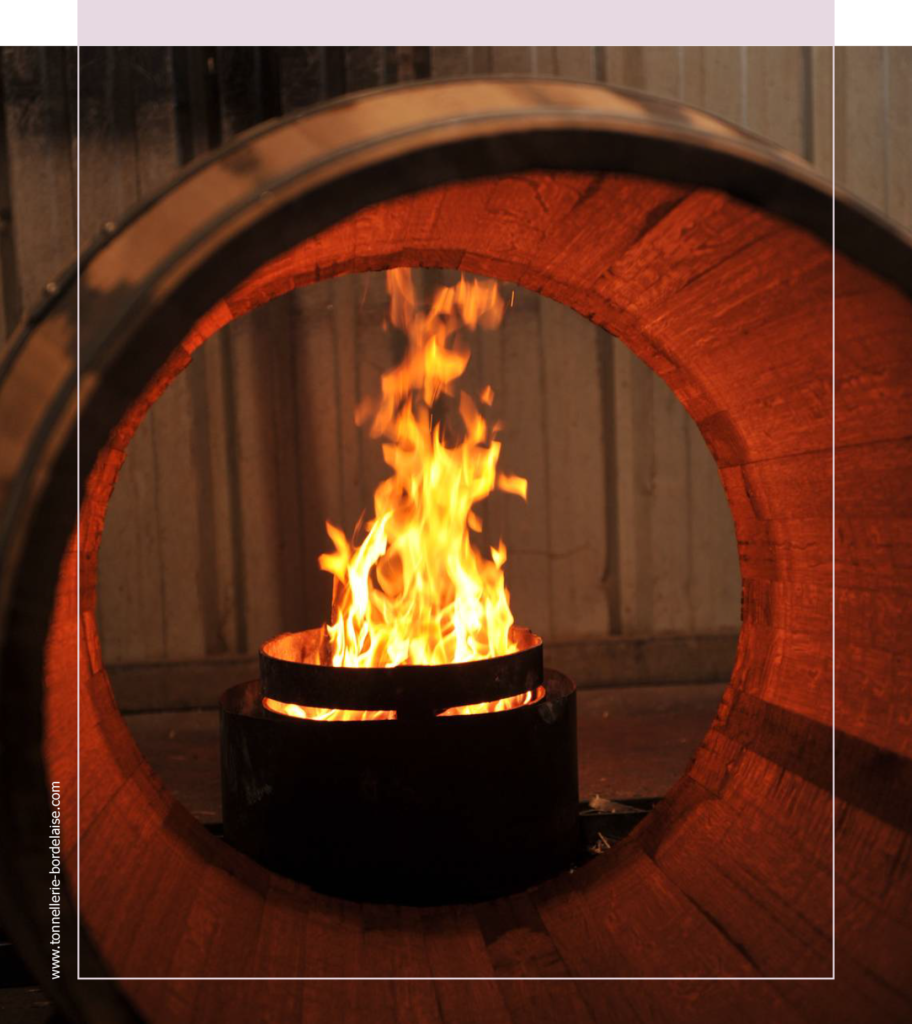
The contact of the oak wood allows the wine to stabilize the color, to develop the structure and the aromatic potential, revealing the expression of fruity notes and giving body and roundness to the wines, to enhance the texture and the sensation in the mouth of the wine by giving it more elegant and complex flavor profiles and lowering the high notes of the aromas. In general, chromatographic analysis of oak wood gives about 100 chemical components.
The main thing when aging in barrels is not to have a dominant woodiness in the wine and not to completely mask the other aromas. In general, the wine is aged in barrels for 12 to 36 months before bottling. This period also plays a role in the evolution and aging potential of the wine.
The barrels are mainly used for aging concentrated red or white wines. In some cases, it is also used for the fermentation of whites.
The wine is put in barrels to rest and stabilize. It may take several months. During this phase, a second fermentation called “malolactic fermentation” begins, which gives the wine its fatness and roundness.
When aging in oak barrels, a small part of the wine evaporates from the barrel through the pores of the wood. The vacuum thus created in the oak barrel can promote oxidation and the development of acetic acid bacteria, which can lead to an increase in volatile acid (vinegar). Therefore, in order to protect the wine, it is necessary to top up and maintain the maximum level in the barrel, and thus keep the cork closed.
As a general rule, only great white wines are fermented in barrels, because they pass this stage without the skin or seeds. Some winemakers practice the fermentation of red wines in barrels, for this purpose the barrel is placed vertically with an open bottom, or the bunghole is modified.

The different sizes of the barrels vary according to the history and geography of the wine regions. The size of the barrel is also important, not all barrels have the same capacity. It is necessary to proceed from the principle that the larger the barrel, the less there is an exchange between the wood and the wine, therefore less transfer of woody notes.
There are many varieties of barrels in terms of capacity, but the best known are the 225-liter Bordeaux barrel and the 228-liter Burgundy barrel, also known as a “piece”. In practice, it turned out that the 225 l barrels also have an ideal ratio between the surface of the barrel walls and the volume of wine. Therefore, they can be considered “standard”, that is to say the most used, and also following the logic of the unit of measurement used in Anglo-Saxon countries which is the gallon (gal) (4 ,54L); i.e. 225 L = 50 gallons.
There are still barrels of different sizes today, for example the 230 liter “barrique nantaise” and the 300 liter “barrique béarnaise”.

Today, the situation has changed and the number of wines aged in barrels is decreasing every year, and their place is taken by wines aged in neutral containers with the addition of alternative oak products. There are several reasons for this:
• the price of barrels, which continues to increase;
• the alternative is ten times less expensive than a barrel, which allows winemakers to significantly reduce production costs and to be more competitive;
• it is much easier to use pieces of wood, the risk of disease is much lower than in barrels;
• the possibility of adjusting the dosages;
• the use of alternative products gives a much more stable aging result from year to year.
Prices for barrels are constantly rising, due to the gradual reduction in the amount of wood all over the world. Thus, for several decades, winemakers and spirits producers around the world have been using alternative aging methods.
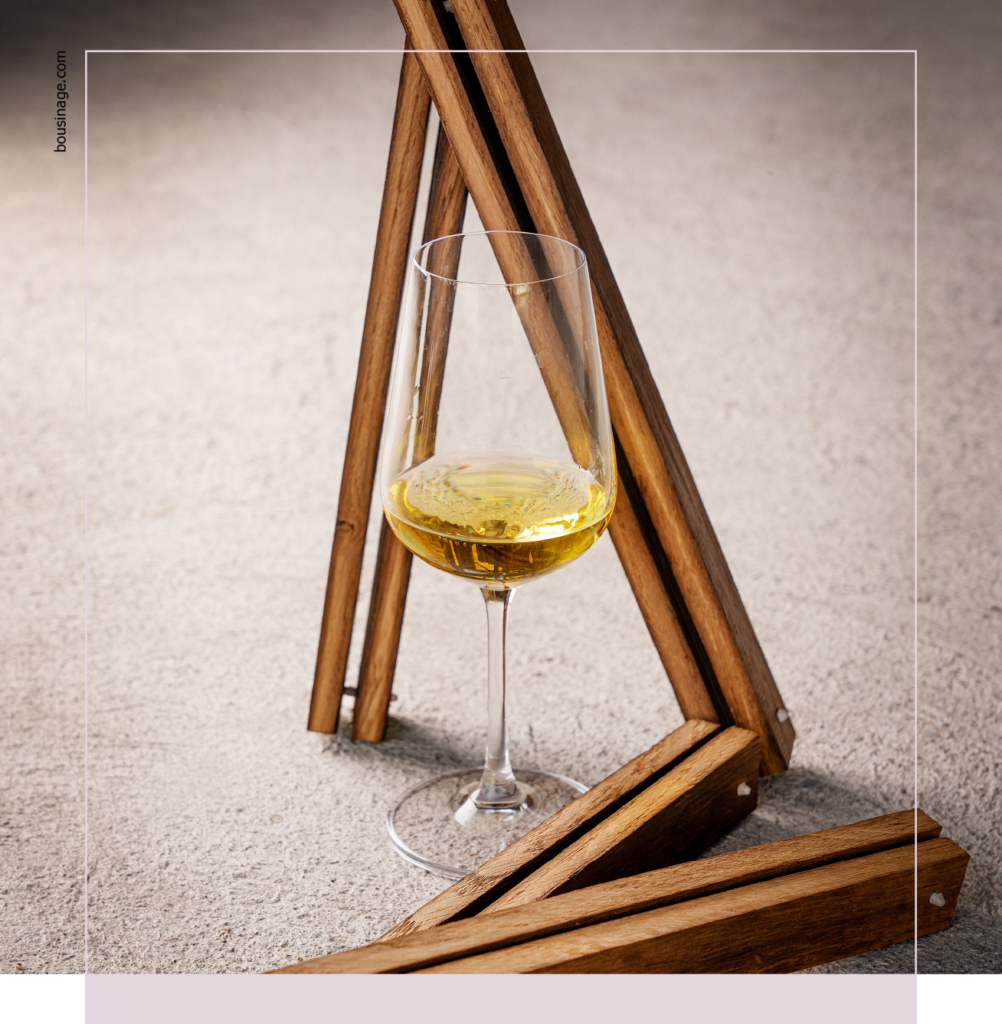
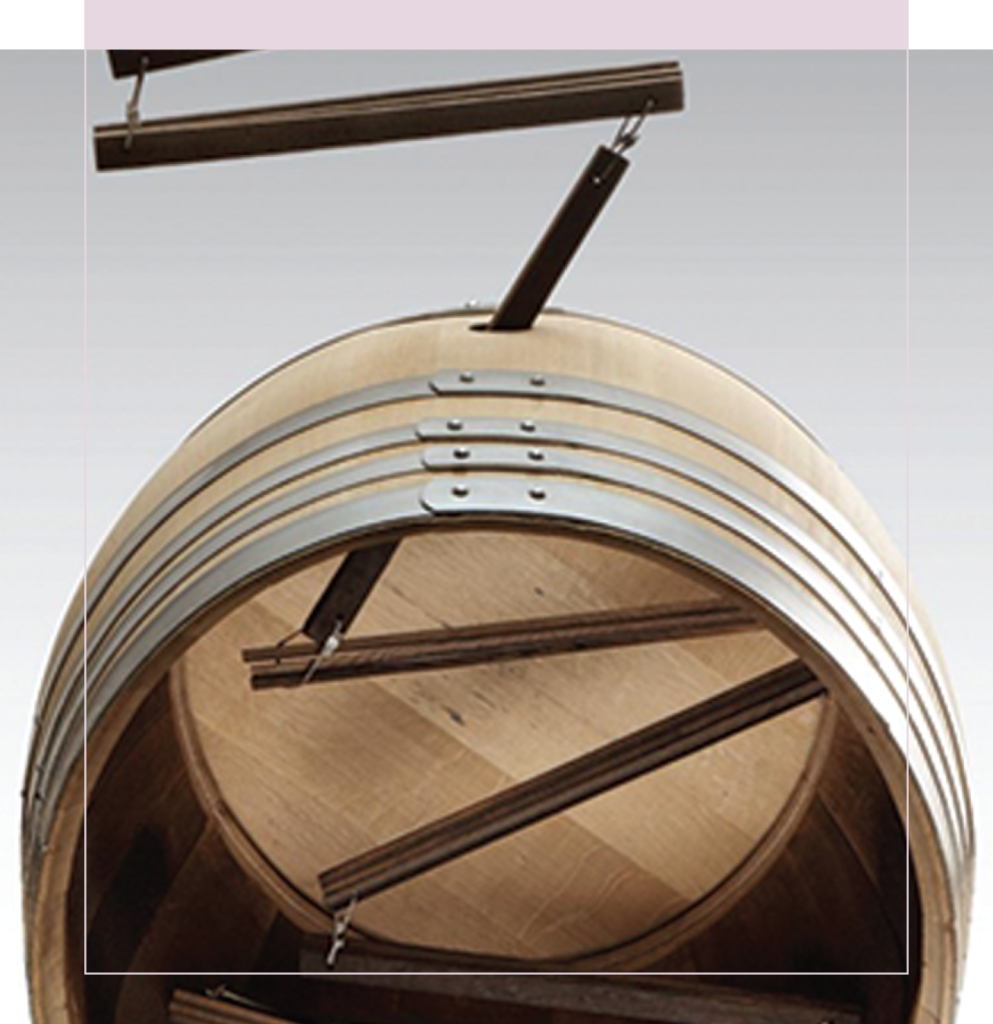
According to experts, the best alternative method of aging is to extend the life of old barrels (barrels that have had 3-4 wines). Today, there are many different systems for extending the life of a barrel. This is the insertion of toasted pieces of wood of different shapes and sizes into the barrel, which give the drink tannins and oaky aromas, while the barrel provides micro-oxygenation. This synergy makes it possible to obtain drinks with well-integrated woody nuances. It has been established that the use of an alternative when aging wine and spirits in exhausted barrels effectively provides them with components of oak wood.
Of all the wines bottled, only 5% are passed through wooden barrels. Unlike them, wine aged in neutral tanks with the addition of alternative products represents 35% of the market. All other wines entering the market are wines aged in neutral containers without contact with wood.
Is there a qualitative difference between wine aged in barrels and wine aged in stainless steel tanks with pieces of wood? Sensory analysis does not make it possible to feel the difference.
With the latest technologies, it is possible to get high-quality drinks while preserving nature. The responsible attitude of everyone towards nature is extremely important, especially in the conditions of the ecological crisis.